
Bird Control
How Do Birds Get Into Warehouses — and How Can You Keep Them Out?
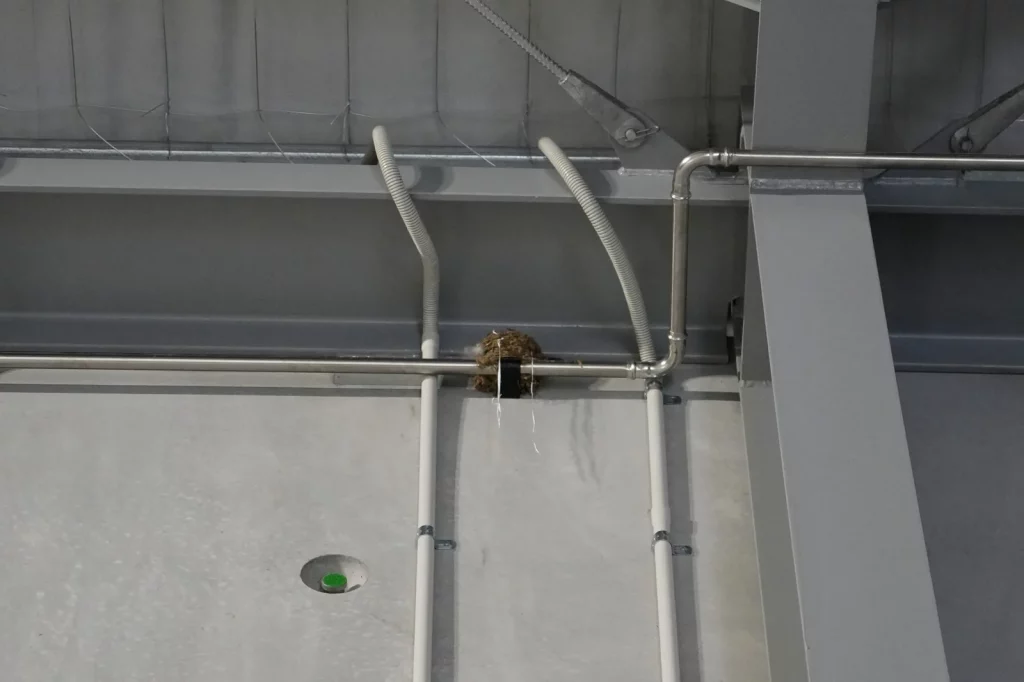
Birds inside a warehouse can be a frustrating problem to solve.
At first, the answer might seem simple: find where they’re getting in and block the opening. But commercial warehouses aren’t closed environments. Roller doors may need to remain open throughout the day for forklifts, deliveries and staff, while the size and structure of the building can provide birds with plenty of places to settle once they’re inside.
That means effective warehouse bird control isn’t always about completely stopping a bird from crossing the doorway. It’s about understanding how birds are using the property and choosing a solution that works with the way the site actually operates.
Why Do Birds Enter Warehouses?
Warehouses can provide birds with exactly what they’re looking for: food, shelter, height and relatively undisturbed places to roost or nest.
Food can be an important factor, particularly at 3PL, distribution and storage facilities where birds may have access to stored food products, damaged packaging, spills or waste.
Once birds find a reliable source of food or shelter, they can begin using the warehouse regularly rather than simply flying through occasionally.
A bird that occasionally flies through an open roller door is therefore a very different problem from birds that have learned to enter the building regularly and use it for feeding, roosting or nesting.
Simply removing the birds won’t necessarily stop that behaviour if the same access and attractive conditions remain available.
How Are Birds Getting Into the Warehouse?
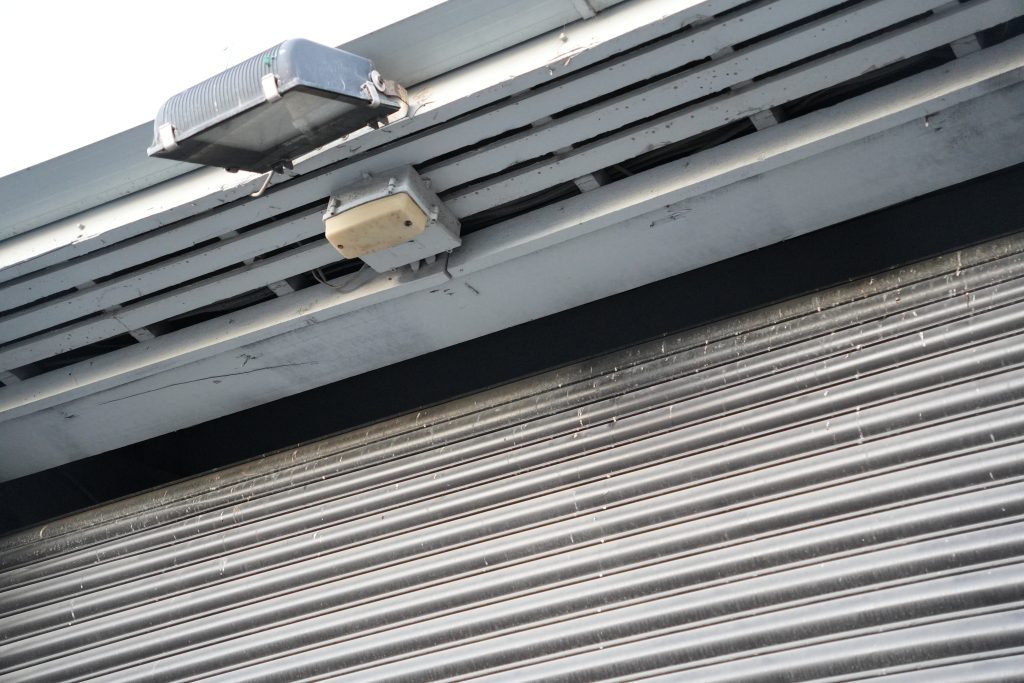
Roller doors are one of the most obvious entry points, but they’re not the only possibility.
Birds may gain access through:
- Open roller doors and loading bays
- Gaps around roller doors when they’re closed
- Damaged or incomplete cladding
- Openings around rooflines and eaves
- Gaps around building services or penetrations
- Other openings in the building structure
Understanding where birds are entering and when that access is occurring is an important part of determining what needs to change.
Watching their behaviour can provide useful clues. Are birds flying directly through an open loading door? Are they disappearing into a gap near the roofline? Does activity continue after the warehouse has closed and the roller doors are down?
The answers can significantly change the solution.
What If Your Roller Doors Need to Stay Open?
This is where warehouse bird control becomes more challenging.
Telling a busy warehouse to simply keep its doors closed isn’t particularly useful if those doors need to remain open for normal operations.
Bird brush can be very effective at closing gaps around roller doors when they’re shut. It can prevent birds exploiting smaller openings around the door system and gaining access while the building is closed.
But bird brush can’t stop a bird flying through a large open doorway during the working day.
Where roller doors need to remain open for forklifts, deliveries or other operations, the focus may also need to shift towards what birds are trying to reach once they’re inside.
Preventing Birds From Settling Inside
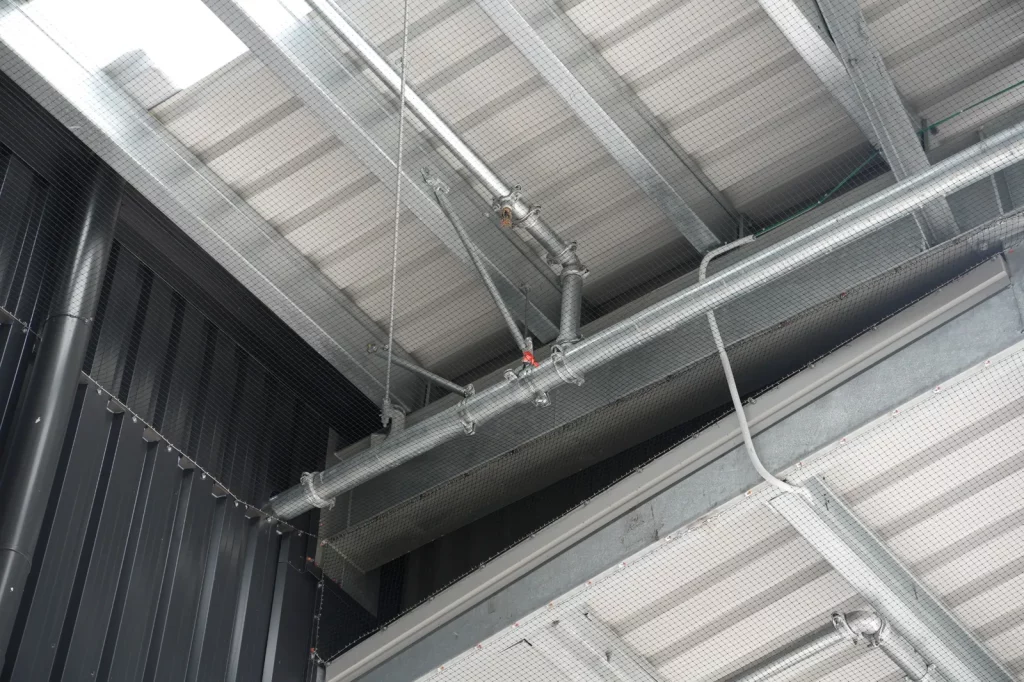
If birds can enter through openings that can’t always be closed, restricting access to suitable roosting and nesting areas can become an important part of the solution.
Bird netting can be installed across upper sections of warehouses to prevent birds accessing beams, rafters and other high-level structures they would otherwise use for roosting or nesting.
This can be particularly effective in operational warehouses where completely preventing entry isn’t realistic. A bird may still be able to fly through an open doorway, but the sheltered areas that make the building attractive can be made inaccessible.
The objective isn’t simply to install as much netting as possible. The layout of the warehouse, existing bird activity and the areas birds are actually using should determine where exclusion is required.
What About Birds Already Living Around the Site?
Sometimes the problem extends beyond the warehouse itself.
Commercial and industrial sites can support established pest bird populations around roofs, yards, neighbouring structures, waste areas and other parts of the property.
A significant population around the site can continue putting pressure on a warehouse and exploiting opportunities to enter.
Where appropriate, population management through Marksman services can help reduce pest bird numbers and form part of a wider bird management programme alongside physical bird proofing.
Not every warehouse will require population management. The species involved, number of birds, surrounding environment and nature of the problem all need to be considered before determining whether it is appropriate.
Why the Right Assessment Matters
There isn’t one bird control product that works for every warehouse.
Two sites experiencing what appears to be the same problem can require completely different approaches.
One warehouse may primarily have birds entering through gaps around closed roller doors. Another may have doors open throughout the working day and birds settling in the roof structure. A third may be dealing with an established pest bird population across the wider property.
The species and behaviour of the birds matter too. Understanding where they’re entering, what they’re doing once inside and which parts of the property they’re repeatedly using helps determine what actually needs to be addressed.
This is where working with people who specialise in bird management becomes valuable.
An experienced bird management specialist can assess the building, observe the bird activity and identify whether the problem relates to access, internal roosting or nesting areas, the wider pest bird population, or a combination of factors.
From there, the appropriate solution might involve bird brush, internal bird netting, other exclusion measures, Marksman services or a combination designed around the property and its operations.
Effective warehouse bird control isn’t about choosing a product and hoping it works. It’s about correctly identifying the problem first and then applying the right solution.
Dealing With Birds Inside Your Warehouse?
If birds are regularly getting into your warehouse, you don’t need to guess which bird control solution will work.
No More Birds specialises in identifying and solving pest bird problems across commercial and industrial properties throughout New Zealand.
Our team can assess how birds are accessing the building, where they’re settling once inside, activity around the wider property and how the site needs to operate day to day. From there, we can recommend an approach suited to the specific problem.
We offer free commercial site inspections across New Zealand, with a no-obligation quote for any recommended work.
[Book a Free Site Inspection →]
Related Reading
Birds Are Nesting on Your Commercial Property — What Should You Do?
Learn what to consider before taking action when birds begin nesting on a commercial property.
Why Birds Keep Returning to Commercial Properties
Learn what causes recurring bird problems and why addressing the underlying behaviour is important.