
Bird Control
Why Birds Keep Returning to Commercial Properties
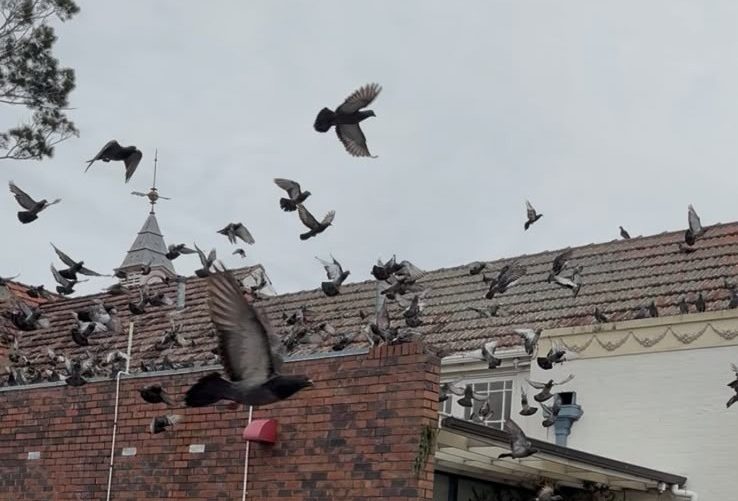
A bird problem that keeps returning is usually a sign that something about the property is still working for the birds.
Removing birds, clearing nesting material or installing a deterrent might address what is happening at the time, but if the reason birds are using the site remains, the problem often returns.
Understanding why birds keep coming back is the first step towards finding a longer-term solution.
Why Birds Return to the Same Places
Once birds find a location that reliably meets their needs, they have a reason to keep using it.
For commercial properties, this often means the same ledges are used for roosting, the same roof cavities for nesting, the same waste areas for feeding or the same gaps around roller doors and building structures for access.
Previous success matters too. If birds have been able to feed, shelter, roost or breed successfully in a location without significant disturbance, they are likely to continue using that location while those conditions remain.
This helps explain why recurring bird problems are often concentrated around specific parts of a property rather than spread evenly across the entire site.
The behaviour involved is important:
- Roosting birds return to locations where they can rest, often using protected ledges, beams and structures.
- Nesting birds need suitable locations to build and raise young. Removing nesting material without addressing the location itself leaves the same opportunity available again.
- Feeding birds continue visiting while a reliable food source remains available, even if they nest or roost somewhere else.
- Birds entering buildings have usually identified a reliable access route. Warehouses are a common example, where open doors or gaps in the structure provide access to sheltered internal areas.
This is why two properties with the same bird species can require completely different approaches.
The important question isn’t only what bird is present, but what is it using the property for?
Why Previous Bird Control Attempts Don’t Always Work
When birds keep returning, it doesn’t necessarily mean bird control doesn’t work. More often, the original approach hasn’t addressed the full problem.
One common example is removing a nest without addressing the nesting site. If the same protected cavity, ledge or structure remains available, birds still have a suitable place to return to.
Another is treating only the most obvious area. Preventing pigeons from landing on one ledge might simply move them to another suitable location nearby. On larger commercial properties, the wider site needs to be considered rather than treating each problem area in isolation.
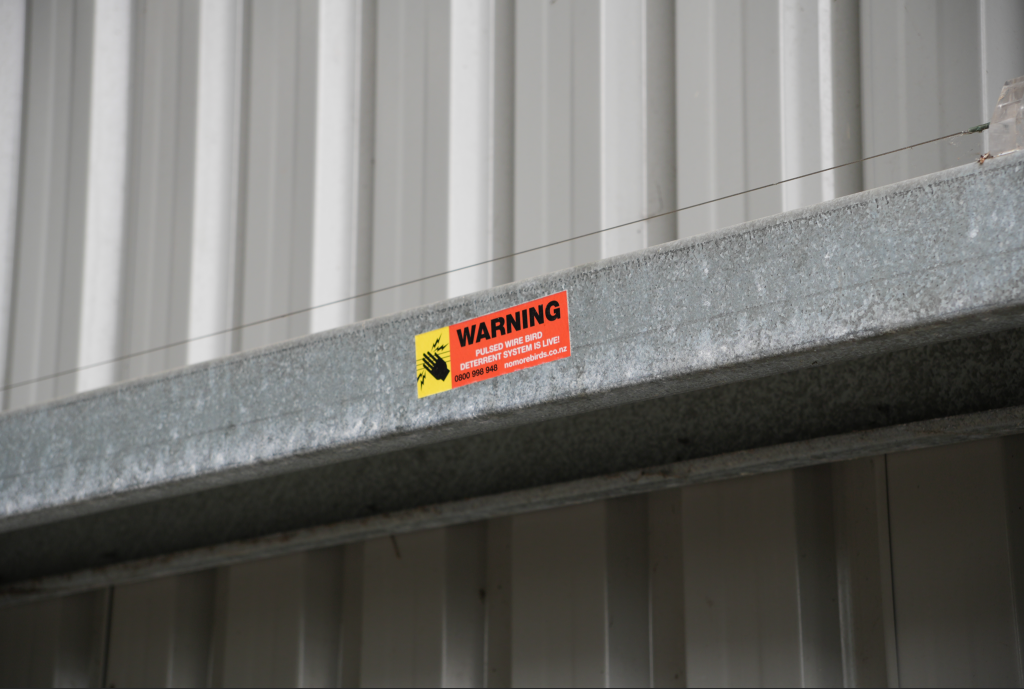
Choosing the wrong deterrent for the situation can also lead to poor results. Bird spikes, pulse-wire systems, bird netting and other bird deterrents solve different problems. Their effectiveness depends on factors such as the species involved, what the birds are doing, the number of birds, how established the activity is and the structure being protected.
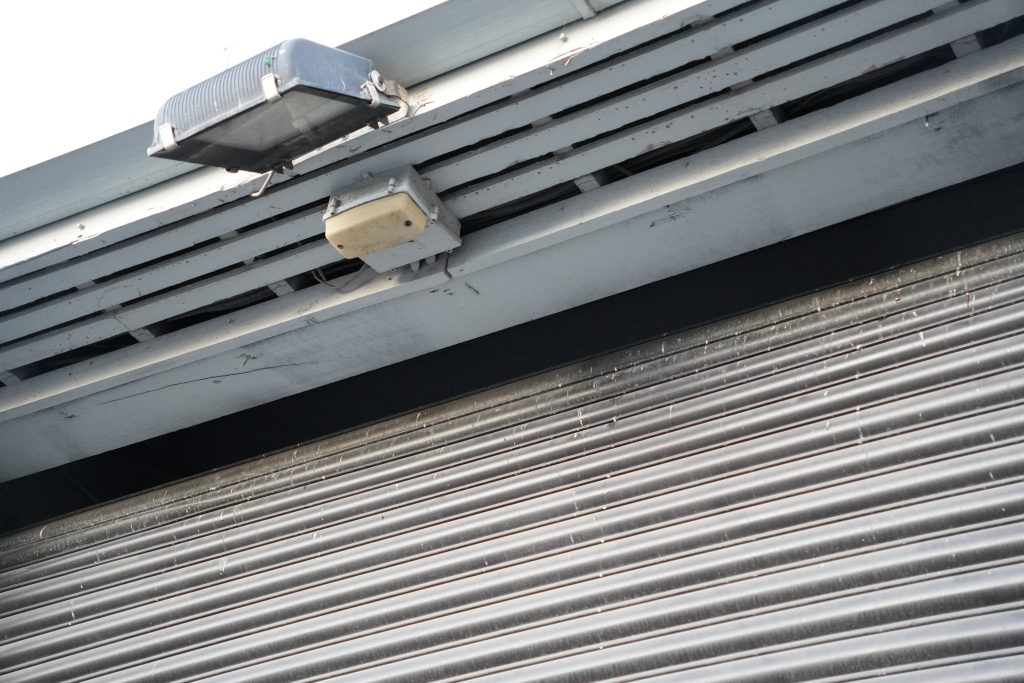
Warehouses are a good example. Deterring birds from an internal roosting area achieves little if they still have easy access through roller doors or gaps in the building. In this situation, exclusion measures such as bird netting or bird brush around roller doors may form part of a more appropriate solution.
Established pest bird populations may require a different approach. Where large numbers of pest birds are creating ongoing pressure around a commercial site, population management or Marksman services may form part of the wider strategy alongside physical bird proofing.
The important point is that different bird problems require different solutions. A deterrent will only be effective if it is appropriate for the species, behaviour and area being protected.
What Does a Long-Term Bird Management Solution Look Like?
A long-term solution starts with understanding the site before deciding how to treat it.
This means identifying the species involved, how the birds are using the property, how established the activity is and which parts of the building are contributing to the problem.
From there, the most appropriate bird management approach becomes much clearer.
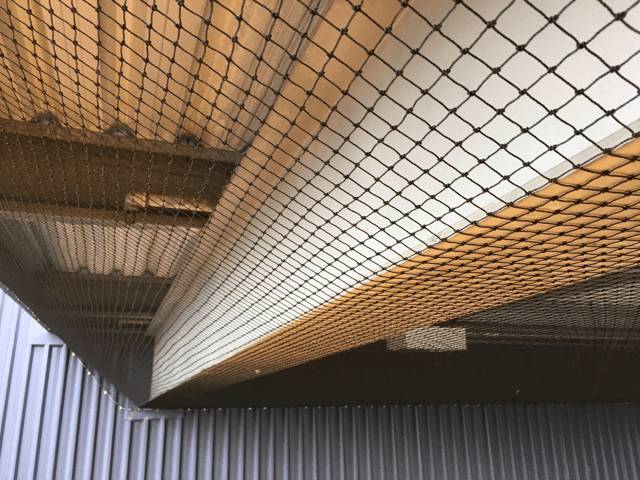
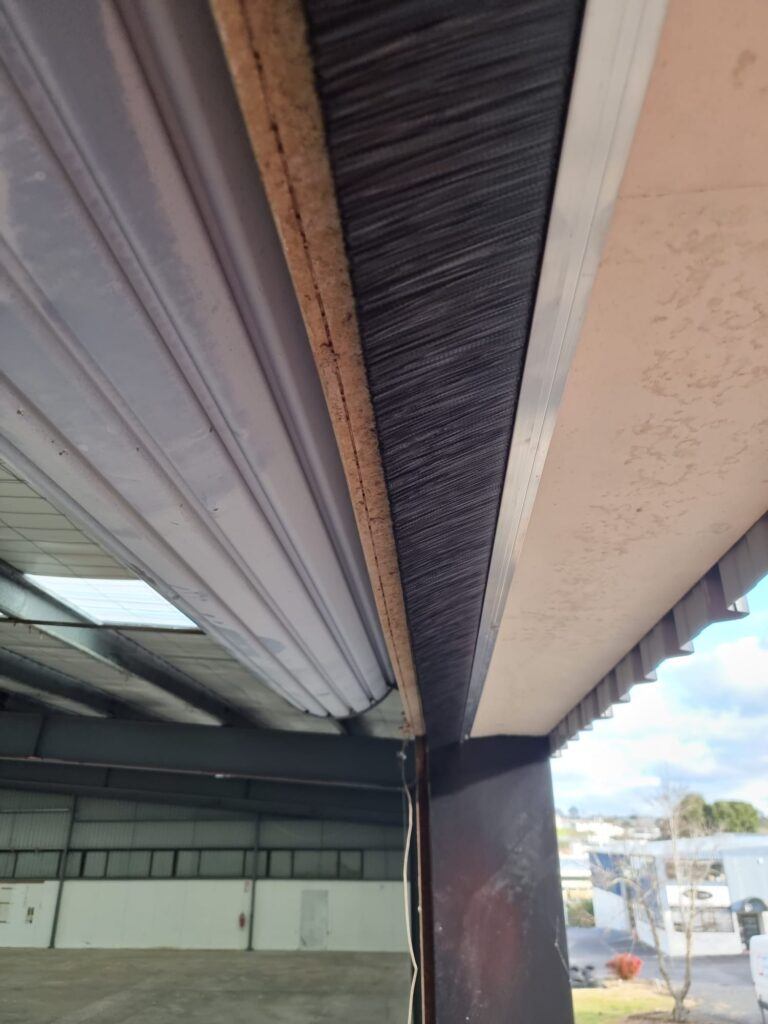
For some properties, the priority is exclusion. Bird netting can physically prevent birds from accessing areas such as canopies, loading bays, warehouses and other structures, while bird brush can help close gaps around commercial roller doors and other openings.
For others, birds are repeatedly landing or roosting on exposed building surfaces. Bird spikes or pulse-wire systems may be more appropriate for protecting ledges, parapets, rooflines and other suitable surfaces.
Where an established pest bird population is contributing to ongoing pressure around a site, Marksman services and population management may form part of the solution.
Large or complex commercial properties often require a combination of approaches. A warehouse, for example, could have birds entering through roller doors, nesting internally and roosting on exterior structures. Solving only one of those problems leaves the others unchanged.
Effective bird management isn’t about choosing a product and hoping it works. It’s about matching the right solution to the species, behaviour and area being protected.
Bird activity should also be monitored after proofing or other management measures are put in place. Buildings change, maintenance work creates new openings and birds can shift their activity to other areas of a property.
Stop Treating the Same Bird Problem Twice
If birds keep returning to your commercial property despite previous attempts to manage them, contact the No More Birds team.
We can assess the site, identify how and why birds are using the property and recommend the most appropriate approach for a longer-term solution.
What Is the Problem Really Costing?
Recurring bird activity can also create wider commercial consequences through fouling, cleaning, property damage, health and safety risks and operational disruption.
For a deeper look at these impacts, read our previous Knowledge Centre article, The Real Cost of Pest Birds on Commercial Properties.
Read: The Real Cost of Pest Birds on Commercial Properties →