
Bird Control
The Real Cost of Pest Birds on Commercial Properties
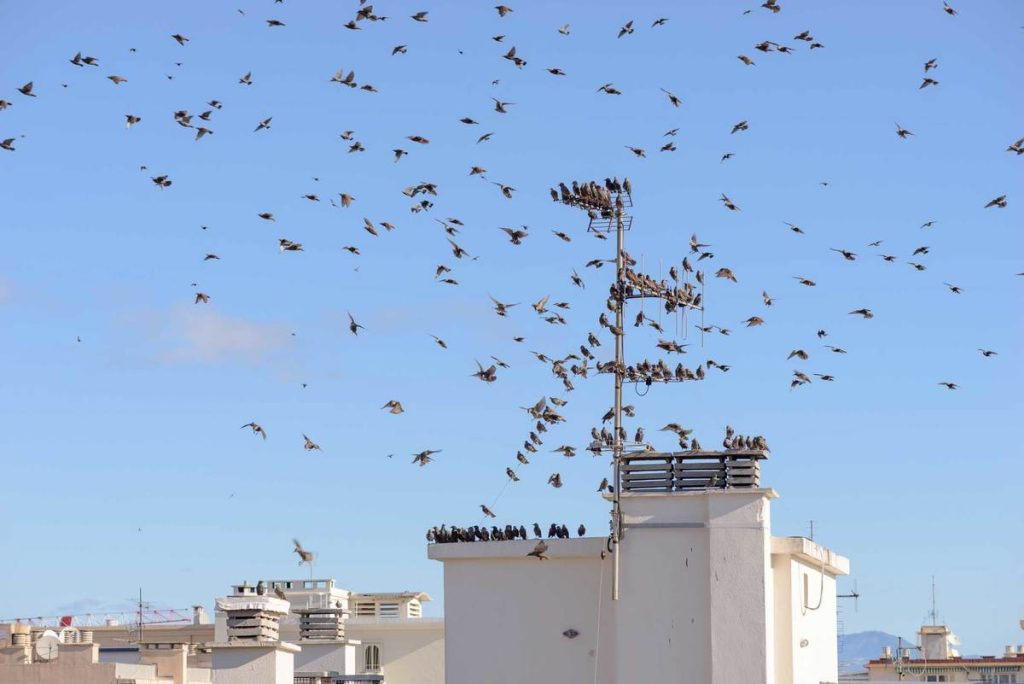
More Than Just a Nuisance
When most people think about pest birds, they picture droppings on footpaths, noisy pigeons on rooftops or the occasional nest tucked away under an awning. While these issues can certainly be frustrating, they only scratch the surface of the problems birds can create for commercial properties.
For businesses, unmanaged bird activity can lead to increasing cleaning costs, damage to buildings and equipment, health and safety concerns, operational disruption and a poor first impression for customers and visitors. In many cases, these issues develop gradually, making them easy to overlook until they become costly to resolve.
Whether you manage a warehouse, retail centre, school, manufacturing facility, office building or industrial site, understanding the true cost of pest birds is the first step towards protecting your property and reducing long-term expenses.
Why Commercial Buildings Attract Pest Birds
Commercial properties often provide everything pest birds need to survive and thrive.
Large buildings create sheltered ledges, rooflines and structural features that make ideal roosting and nesting locations. Nearby food sources, water and warmth from plant equipment can make these sites even more attractive.
Common areas where birds establish themselves include:
- Roof parapets
- Gutters and downpipes
- Loading docks
- Warehouse canopies
- Air conditioning units
- Solar panel installations
- Signage
- Covered entrances
- Structural beams and rafters
Once birds identify a safe location, they often return repeatedly. Over time, a handful of birds can become an established colony that is far more difficult—and expensive—to manage.
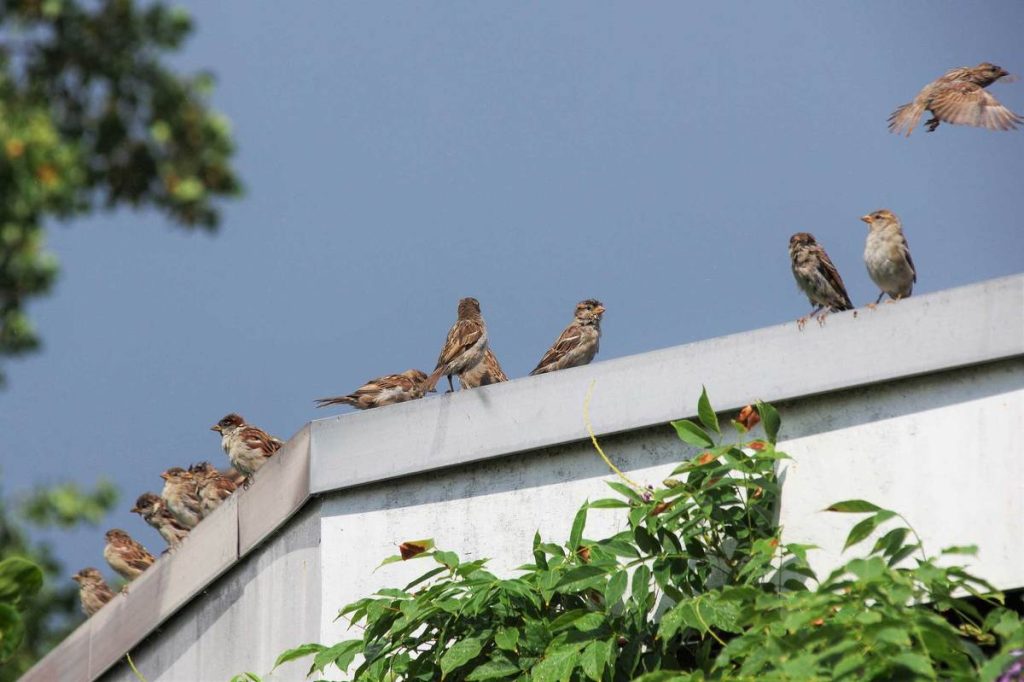
1. Increased Cleaning & Maintenance Costs
Cleaning is usually the first cost businesses notice.
Bird droppings quickly accumulate around entrances, loading bays, footpaths, outdoor seating areas and building facades. Even a relatively small number of birds can create a surprising amount of mess over the course of a week.
For many commercial properties this leads to:
- More frequent pressure washing
- Increased cleaning contractor costs
- Additional maintenance labour
- Regular removal of feathers and nesting material
- Ongoing façade and window cleaning
These expenses may seem manageable at first, but over months and years they often become one of the largest hidden costs associated with pest birds.
2. Damage to Buildings & Infrastructure
Birds don’t simply make buildings look untidy.
Their nesting behaviour and droppings can contribute to gradual deterioration of building materials and critical infrastructure.
Common examples include:
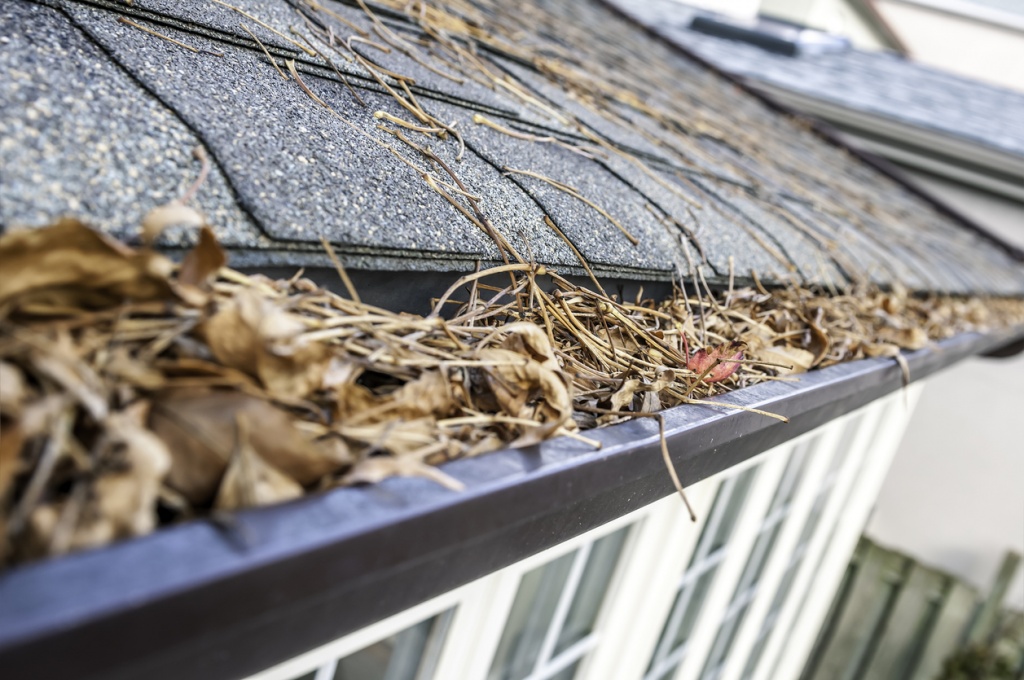
Blocked Gutters & Drainage
Nesting material frequently blocks gutters and downpipes, preventing water from draining correctly. Overflowing water can damage roofs, walls and building interiors if left unresolved.
Roof Damage
Bird activity can loosen roofing materials, damage insulation and create ongoing maintenance issues in difficult-to-access areas.
Corrosion
Bird droppings are acidic and, over time, can contribute to the deterioration of painted surfaces, steel structures and other building materials.
Solar Panels & Plant Equipment
Solar panels provide warmth and shelter beneath them, making them an attractive nesting location. Birds may also interfere with rooftop HVAC equipment, ducting and other plant infrastructure.
3. Health & Safety Risks
For many organisations, health and safety is one of the most important reasons to manage bird activity.
Bird droppings on walkways, entrances and loading areas can create slip hazards for staff, contractors and visitors.
Depending on the environment, accumulated droppings may also introduce bacteria, fungi and other contaminants that require specialist cleaning procedures.
Businesses operating in industries such as food production, manufacturing, healthcare and education often have particularly high standards for hygiene and site cleanliness, making proactive bird management even more important.
Maintaining a safe workplace isn’t just about compliance—it’s about protecting the people who use the site every day.
4. Operational Disruption
Bird problems rarely stay confined to one area.
As populations grow, they can begin affecting the day-to-day operation of a site.
Examples include:
- Loading docks requiring additional cleaning before deliveries
- Warehouse stock contaminated by droppings
- Maintenance teams repeatedly clearing nests
- Equipment requiring more frequent servicing
- Staff time diverted to ongoing bird-related issues
While each issue may appear relatively minor on its own, together they can reduce efficiency and increase operating costs across the business.
5. Reputation & Customer Perception
First impressions matter.
Customers, tenants, employees and visitors notice the condition of a property almost immediately.
Bird droppings around entrances, birds nesting above doorways or large numbers of pigeons gathered around a building can create the impression that a property is poorly maintained.
For retail centres, commercial offices, hospitality venues and public facilities, maintaining a clean and professional appearance forms an important part of protecting the organisation’s reputation.
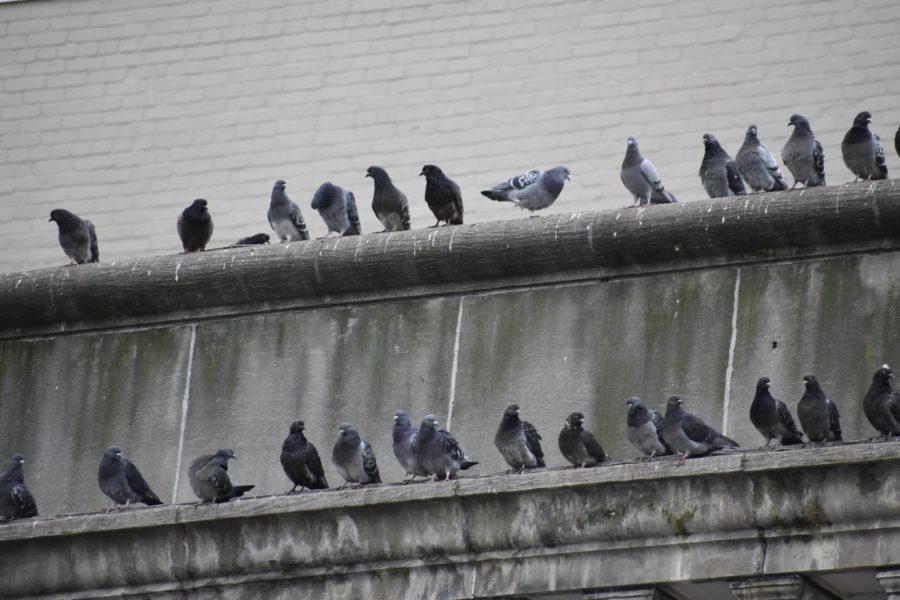
The Cost of Waiting
One of the biggest mistakes businesses make is assuming the problem will stay the same.
In reality, bird populations tend to grow over time as successful nesting encourages birds to return season after season.
What begins as a handful of birds can gradually lead to:
- Larger cleaning bills
- Greater maintenance requirements
- More extensive property damage
- Increased operational disruption
- Higher remediation costs
Early intervention is often simpler, less disruptive and considerably more cost-effective than addressing an established infestation.
Prevention Is Almost Always Cheaper Than Repair
Effective bird management isn’t simply about removing birds—it’s about preventing them from becoming established in the first place.
Modern bird-proofing systems are designed to deter birds while protecting the appearance and function of commercial buildings.
When implemented early, preventative solutions can significantly reduce ongoing maintenance costs and help businesses avoid many of the issues discussed throughout this guide.
Key Takeaways
- Pest birds create costs that extend well beyond cleaning.
- Commercial buildings naturally attract birds unless preventative measures are in place.
- Bird activity can damage buildings, equipment and infrastructure over time.
- Health, safety and operational risks often increase as bird populations grow.
- Early intervention is typically the most effective and cost-efficient approach.
Frequently Asked Questions
Are pest birds really capable of damaging commercial buildings?
Yes. Bird droppings, nesting materials and repeated bird activity can contribute to blocked gutters, corrosion, roof damage and maintenance issues over time.
What types of commercial properties experience bird problems?
Warehouses, shopping centres, schools, office buildings, factories, manufacturing facilities, airports, hospitals and apartment complexes can all experience bird-related issues.
Is bird-proofing better than continually cleaning?
While cleaning addresses the symptoms, bird-proofing helps prevent birds from returning in the first place. In many cases, prevention is more cost-effective over the long term.
When should bird management be considered?
The best time is before bird activity becomes established. Addressing issues early is generally simpler and less disruptive than dealing with a large, established population.
Need Expert Advice?
Every commercial property is different, and the most effective bird management solution depends on the building, the bird species involved and the way the site is used.
If you’re experiencing bird issues or would like advice on protecting your commercial property, No More Birds can assess your site and recommend a tailored bird management solution.