
Bird Control
Why Spring Is the Best Time to Get Ahead of Commercial Bird Problems
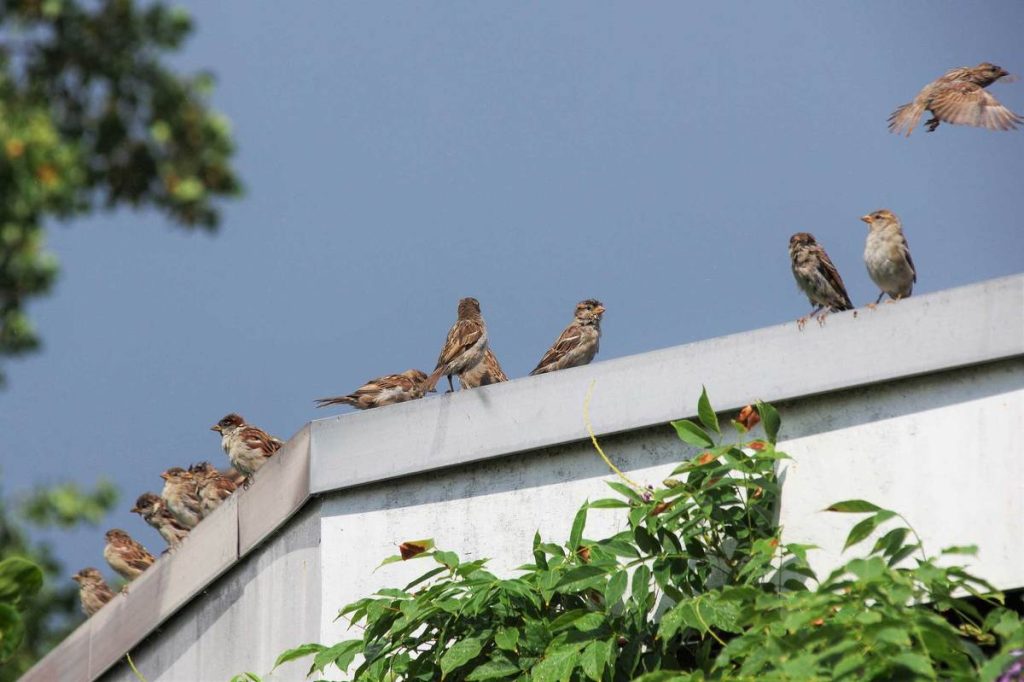
As New Zealand moves towards spring, commercial property owners and managers have an important opportunity to identify bird problems before they become established.
For several species commonly found around commercial properties, nesting activity increases from late winter into spring. Birds begin investigating potential nesting sites, returning to familiar locations and taking advantage of buildings that provide reliable shelter, food and water.
The early signs are often easy to overlook. A few birds repeatedly occupying the same roofline. Fresh droppings beneath a ledge. Nesting material appearing around gutters or rooftop plant. Birds regularly entering through the same opening.
These small changes matter because serious bird problems rarely develop overnight. They build as birds begin using a property consistently.
In our recent article, The Real Cost of Pest Birds on Commercial Properties, we looked at the cleaning, maintenance, property damage, health and safety risks and operational disruption associated with established bird activity.
Spring provides an opportunity to intervene much earlier in that process.
Why Spring Matters for Commercial Properties
Spring is an important breeding and nesting period for many bird species found around New Zealand commercial properties.
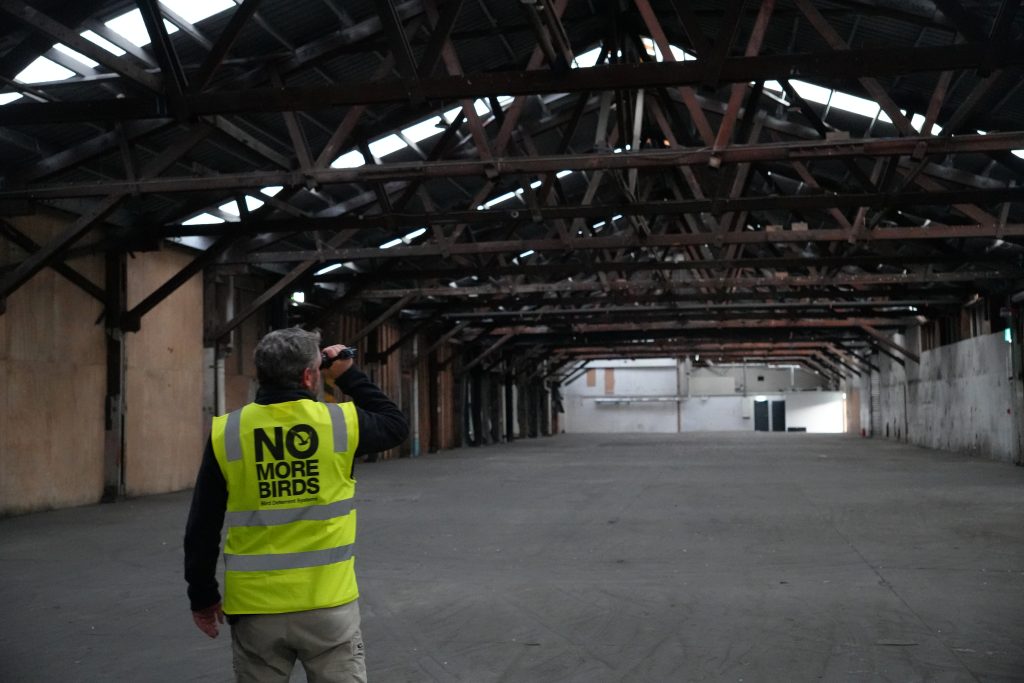
Roof cavities, ledges, canopies, gutters, signage, rooftop plant and gaps within building structures provide potential shelter and nesting locations. Warehouses and industrial buildings offer additional opportunities through open roller doors, loading areas, rafters and other protected internal spaces.
Food and water also influence where birds establish themselves. Waste areas, outdoor eating spaces, standing water and neighbouring food sources all contribute to the attractiveness of a site.
Previous activity is another important indicator. If birds successfully nested, roosted or regularly fed around a particular part of a property previously and the conditions remain unchanged, that area deserves attention again.
Not every species follows the same breeding cycle. Pigeons, sparrows, starlings, mynas and gulls differ in their behaviour, preferred nesting locations and seasonal patterns.
For property owners and managers, the important question isn’t simply:
Are there birds around my property?
It’s:
Are those birds beginning to use my property consistently?
The Early Warning Signs to Look For
A serious bird problem rarely starts with large numbers of birds appearing at once. More often, it begins with changes in how birds use a property.
The most important thing to look for is repeated behaviour.
A bird resting on a roof once is not necessarily a concern. Birds repeatedly returning to the same ledge, entering the same opening or gathering around the same area tell you considerably more.
Early warning signs include:
- Fresh droppings repeatedly appearing beneath the same area
- Birds returning to the same ledges, beams, rooflines or plant equipment
- Twigs, grass, feathers or other nesting material beginning to accumulate
- Birds entering gaps beneath roofing, cladding, soffits or canopies
- Increased activity around gutters and drainage systems
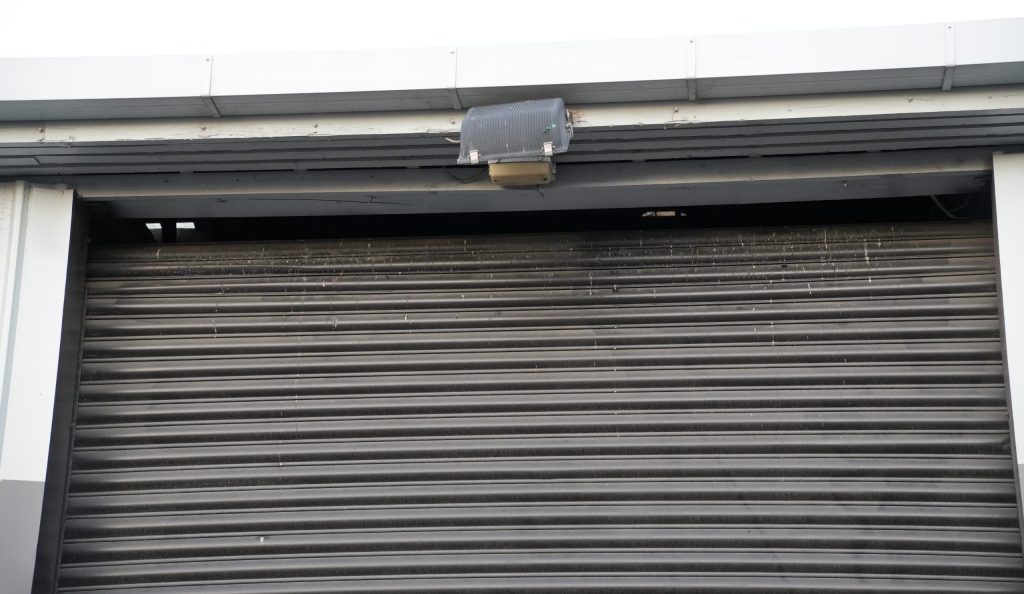
- Birds regularly entering warehouses through roller doors or other openings
- Increased calling or territorial behaviour around a particular location
- Staff noticing birds in the same areas at similar times each day
When inspecting a property, pay particular attention to roofs and parapets, gutters, rooftop plant and HVAC equipment, cladding, soffits, roof cavities, canopies, loading areas, warehouses and waste areas.
Don’t rely solely on seeing the birds themselves. Droppings, feathers and nesting material often reveal where birds are spending time even when they aren’t present during the inspection.
Staff, cleaners, maintenance teams and contractors are also valuable sources of information. People working around the property every day often notice patterns that aren’t obvious during a single inspection.
Understand Why Birds Are Using the Property
Finding birds is only part of understanding the problem. The more important question is why they keep returning.
Most persistent bird activity is supported by one or more of four factors:
Food. Water. Shelter. Access.
Open waste bins, food spillages and outdoor eating areas provide feeding opportunities. Standing water and poorly draining areas provide water. Roof cavities, canopies, ledges and plant equipment provide shelter, while gaps in roofing and cladding or open roller doors provide access to protected internal areas.
Understanding these factors matters because simply moving birds from one location does not address why they chose the property in the first place.
Species and behaviour also matter.
Determine whether the birds are feeding, roosting, investigating nesting locations, building nests or entering the building. Different behaviours require different management approaches.
If you’re unsure which species you’re dealing with, New Zealand Birds Online is an excellent identification resource, with photographs and detailed information covering New Zealand bird species.
This is particularly important where nesting is involved. Before disturbing a nest or sealing an access point, identify the species and establish whether eggs or dependent young are present. Protection status varies between species, and most native birds are protected under New Zealand’s Wildlife Act 1953. Where the species or nesting status is uncertain, seek appropriate advice before taking action.
Getting Ahead of the Problem
Once you understand which birds are present, how they are using the property and what is attracting them, the next step is selecting the right management approach.
There is no single solution for every bird problem. The species involved, level of bird pressure, behaviour and design of the building all influence which method is appropriate.
Depending on the site, solutions include:
- Bird netting to physically exclude birds from canopies, loading bays, warehouses and other structures.
- Pulse-wire systems to discourage birds from landing and settling on ledges, parapets, rooflines and other exposed surfaces.
- Bird spikes to prevent birds from landing or roosting on suitable building features.
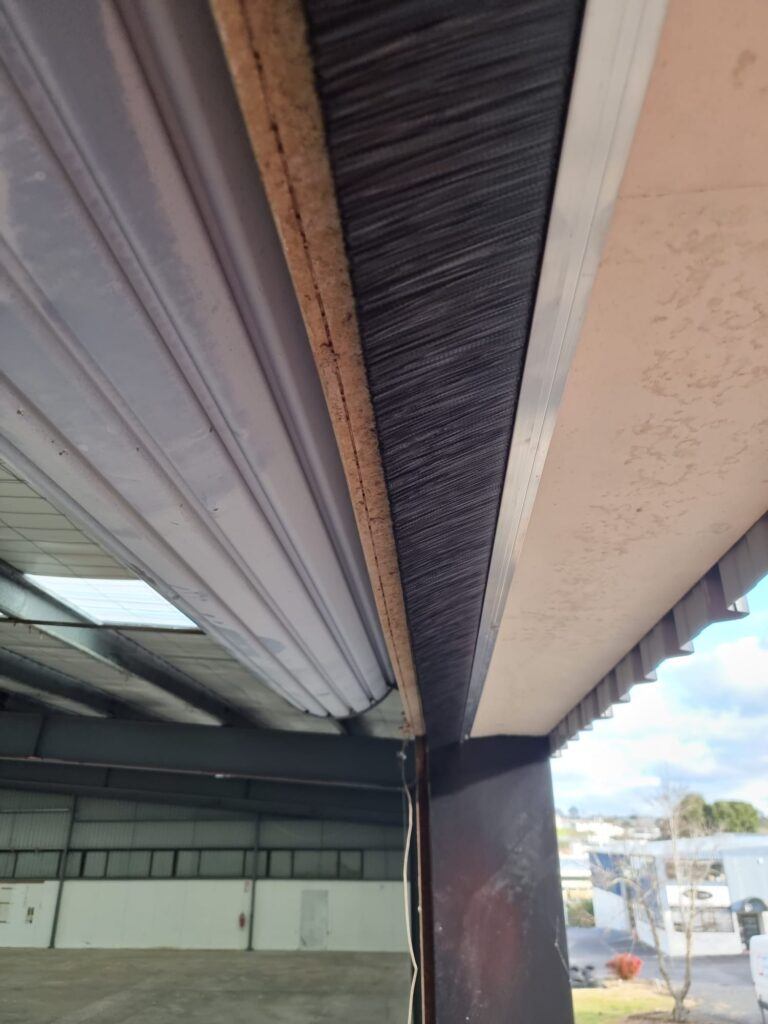
- Bird brush to close gaps around roller doors and other openings while allowing doors and equipment to continue operating.
- Marksman services and population management where reducing established pest bird populations forms part of the wider management strategy.
- Other bird deterrent and proofing products selected according to the species, behaviour and area being protected.
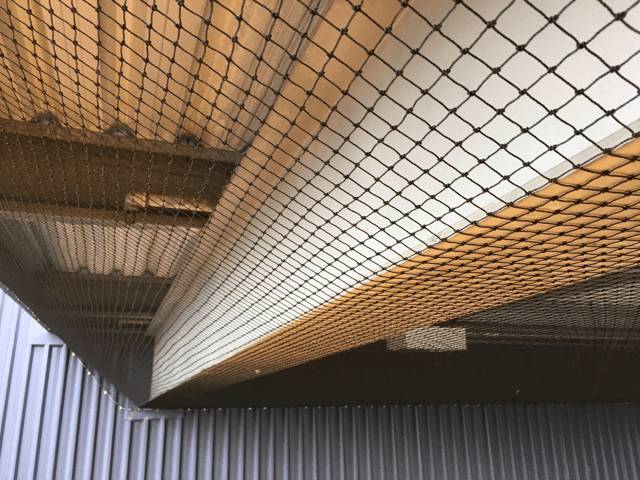
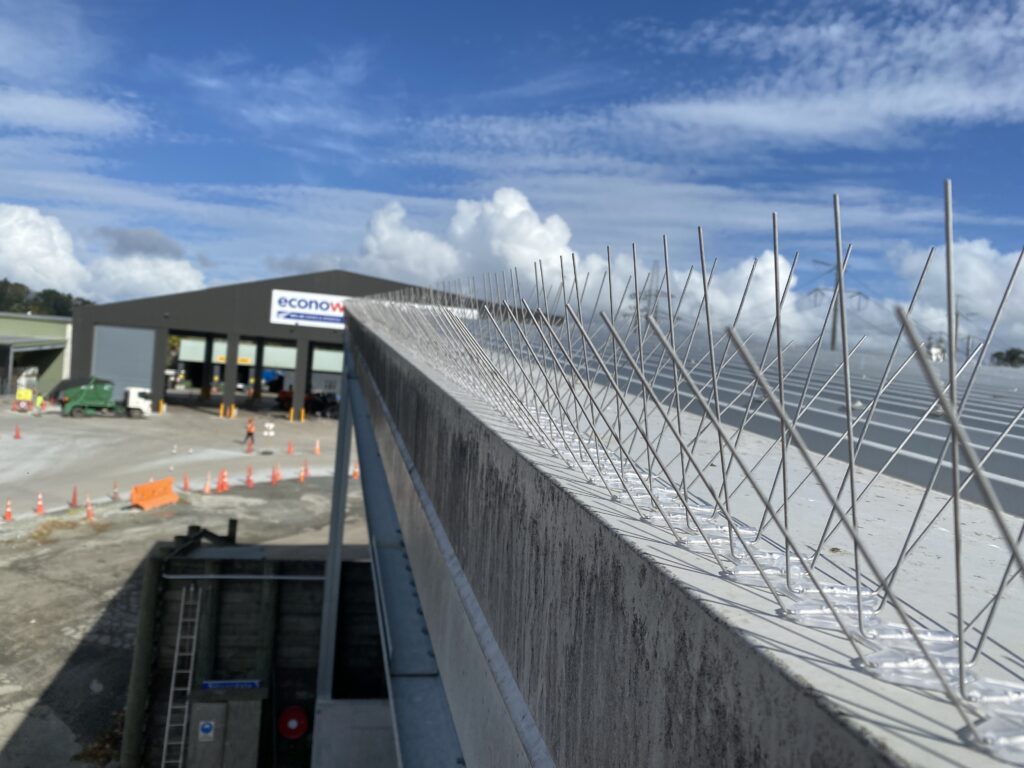
Often, the most effective approach involves more than one method. A large commercial property might require exclusion in one area, deterrents in another and ongoing population management to address wider bird pressure around the site.
This is why the assessment comes first.
Effective bird management isn’t about choosing a product and hoping it works. It’s about understanding the problem and applying the right solution to the right area.
By the time nests are established, droppings have accumulated or birds are regularly entering operational areas, the problem is already more difficult to manage.
Spring gives property owners and managers the opportunity to identify those warning signs earlier and take action before bird activity becomes established.
If you’re seeing repeated bird activity around your property or you’re unsure what the early signs mean, contact the No More Birds team. We can assess the site, identify how birds are using the property and recommend the most appropriate bird management solution.
Understanding the Cost of Waiting
For more on why early intervention matters commercially, read our previous Knowledge Centre article, The Real Cost of Pest Birds on Commercial Properties, where we look at the cleaning, maintenance, property damage, health and safety risks and operational disruption associated with established bird activity.
Read: The Real Cost of Pest Birds on Commercial Properties →